




My Body Matters
Foundation / Early Stage 1 / Kindergarten /
Prep / Reception / Transition
Prep / Reception / Transition

It’s school photo day and Harold and his friends are excited to get their photos taken. They’ve cleaned their teeth and brushed their hair…but sometimes things don’t go to plan!
Overview
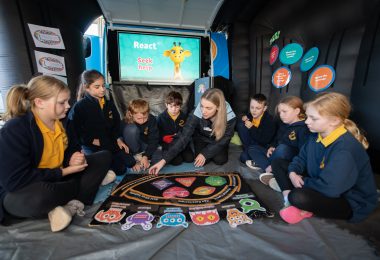
Younger students join Harold and his friends as they learn how to care for their bodies. This module focuses on basic body needs including fabulous food, hygiene, being physically active and the importance of rest and sleep.
Life Ed programs are not just a visit, they’re a 4-step multimodal pathway! So make use of the whole learning pathway… Harold’s pre-visit lesson; the Life Ed educator visit; 2 post-visit lessons, booster sessions and the parent communication.
Learning outcomes include:
Life Ed programs are not just a visit, they’re a 4-step multimodal pathway! So make use of the whole learning pathway… Harold’s pre-visit lesson; the Life Ed educator visit; 2 post-visit lessons, booster sessions and the parent communication.
Learning outcomes include:
- Personal care and hygiene
- How “fabulous food” gives us energy and helps us grow
- The benefits of fun physical activity
- Basic body needs and care
Step 1: Pre-lesson
To be completed with your class before the Life Ed visit.
My Body Matters – Pre-visit Mini Lesson – Fabulous Food
In this short lesson, students identify their favourite foods and name foods from all the colours of the rainbow. The lesson includes an art/writing activity demonstrating evidence of learning
10 minutes – Depending on duration of discussion
School Lesson
An Overview for Parents
Step 3: Post Visit
To be completed with your class after the Life Ed visit.
My Body Matters – Post-visit Mini Lesson – My Body Needs
In this short lesson, students investigate basic body needs including being physically active, the importance of sleep and managing screen time. The lesson includes a drawing/ writing activity showcasing them participating in physical activity.
15 minutes – Depending on duration of discussion
School Lesson
Attention: Teachers
Use this Assessment Rubric (PDF) to assist with assessing the student comprehension of My Body Matters Booster Session content.
Step 4: Booster Sessions
Each booster lesson features a video designed to embed the key learnings and messages. How to use them: If you are short of time, these quick videos (6 - 8 minutes) can be used alone as a quick refresher. To get the most educational value from the sessions we encourage you to use the discussion guides to extend student learning and the assessment task worksheets to collect evidence of learning.
My Body Matters – Session 1 – My Body Needs
In this 8-minute video, students explore the human body and all the things we need to take care of it including: water, food, fresh air, physical activity and sleep.
10 - 20 minutes - depending on duration of discussion
Video Lesson
Assessment Task (PDF)
Discussion Guide (PDF)
My Body Matters – Session 2 – Food
In this 7- minute video, Harold and his friends talk about food. The content incorporates safe-food messaging and includes how foods help us “Go, Grow and Glow” and the role of food in celebrations, religious and cultural events.
10 - 20 minutes - depending on duration of discussion
Video Lesson
Assessment Task (PDF)
Discussion Guide (PDF)
My Body Matters – Session 3 – Being Active
In this 6-minute video students are reminded of the many fun ways we can move our bodies and how being active helps our heart. We also talk about friendship and the people who care for us and support us.
10 - 20 minutes - depending on duration of discussion
Video Lesson
Assessment Task (PDF)
Discussion Guide (PDF)